Waste Consultation & Management | GreensafeIT
Core Service · Waste Consultation

Know what leaves.
Prove where it went.

Some materials need more than a collection. We establish what you hold, the restrictions around it and the outcome you need; then assess what can be prevented, reused or recycled before agreeing the right route for what remains. GreensafeIT manages the programme from consultation and collection through to processing and evidence of final disposition — for a single project or a multi-site estate.

Audit-ledBefore anything moves
Sensitive streamsHandled with care
End to endLogistics included
One-off → nationalOne managed service
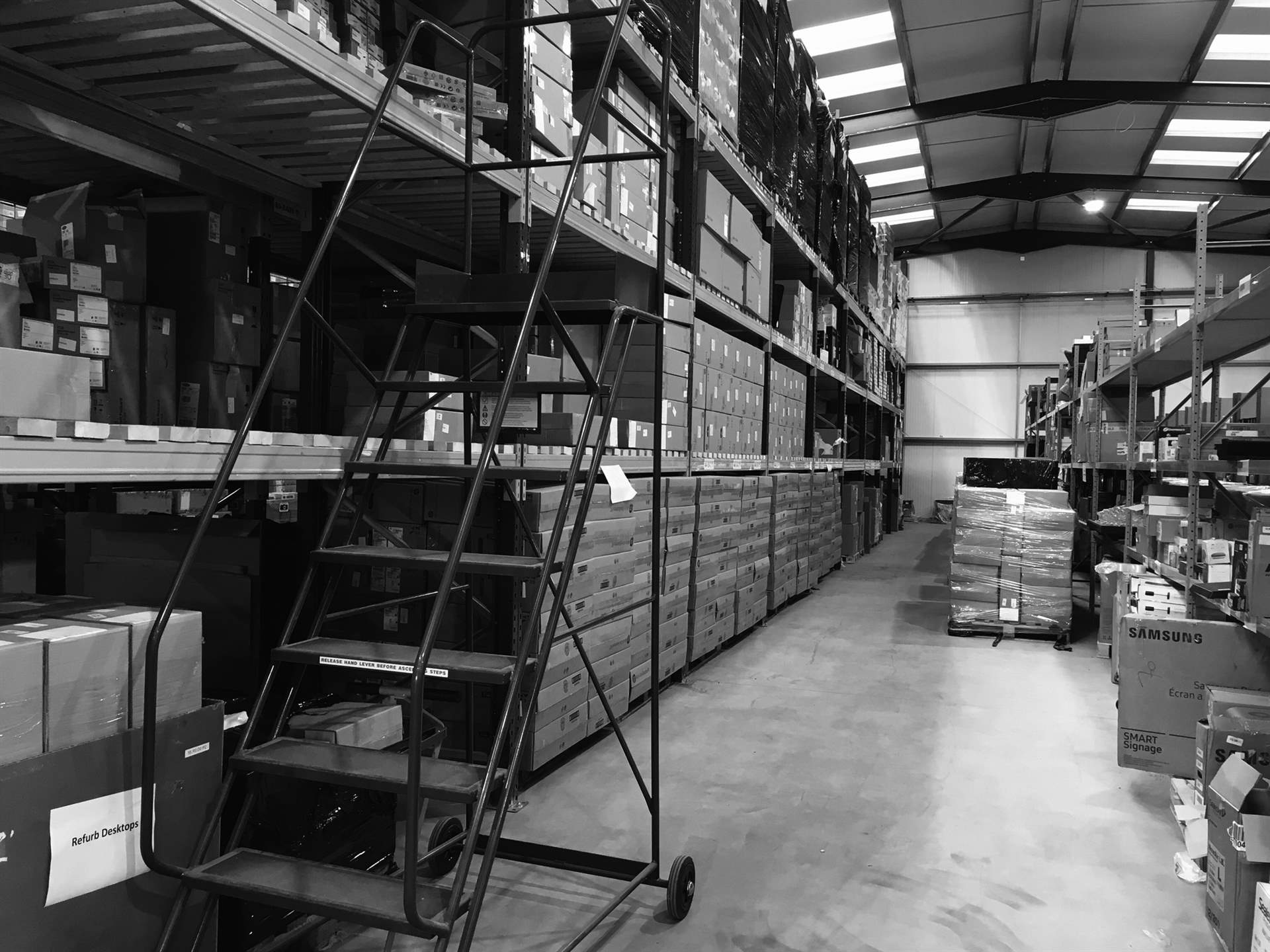
Warehouse racking stacked with boxed equipment, pallets and packaging awaiting sorting and routing
The right decision starts before material is treated as waste.
The Audit

It starts by understanding
what you hold.

We review the materials on site, how they are stored and moved, who owns each decision and any confidentiality, safety or destination restrictions. Existing contracts, transfer records and costs help establish what happens today. For sensitive or unusual streams, we agree the information and controls needed before proposing a route.

You get a measured baseline where records allow, plus material-by-material options for prevention, reuse, recycling or other appropriate treatment. Each recommendation explains the route, its restrictions, the evidence required and the likely operational impact.

Complex & everyday streams IT & electricals (WEEE) Data-bearing media Batteries & UPS Cabling & metals Toner & consumables Packaging, card & film Pallets & timber Furniture & fit-out Hazardous & regulated Confidential paper General & residual
Independent

The right route for the material

The review begins with what the material is and what can lawfully and responsibly happen to it. That may mean reuse, a different collection model, a controlled treatment route or retaining an arrangement that already works.

Measured

Evidence, not assumptions

We use available inventories, weights, transfer records and site observations to establish a baseline, flag gaps and show how each proposed outcome will be evidenced.

Whole site

Beyond the IT store

Our IT lifecycle experience brings secure handling, reuse and traceability into a wider material review. Everyday waste still matters, but sensitive and regulated streams receive the individual assessment they require.


From material to documented outcome

Understand the material and its restrictions. Test whether it can be prevented, reused or recycled. Agree an appropriate route, manage collection and processing, then reconcile the chain of custody with the final disposition evidence.

The Review

Not just disposal. A decision.

The waste hierarchy guides each review, but the route also has to respect ownership, security, safety and material-specific controls. We look for prevention and reuse first, then recycling and recovery where appropriate, with disposal as the last resort.

Most preferred
Tier 01

Prevent

What it means

The waste is never created. The cheapest tonne to deal with is the one that never arrives on site.

What we do

Challenge the specification upstream — returnable totes in place of single-use cardboard, right-sized packaging, repair instead of replace, and refresh cycles extended where the hardware still has life in it.

Tier 02

Reuse & redistribute

What it means

It still works. Somebody — inside your organisation or outside it — still wants it.

What we do

Where ownership and security requirements permit, test, repair and return suitable equipment to use; or remarket or redistribute it with the required approvals and evidence.

Tier 03

Recycle & reclaim

What it means

The item is finished, but the material in it is not. It goes back into the supply chain as raw material.

What we do

Segregate suitable streams and route them to reprocessors authorised for the material, with any security or handling requirements built into the plan.

Tier 04

Recover

What it means

Nothing useful can be pulled back out of the material, but the energy in it can be.

What we do

Only what has genuinely failed the tiers above it — routed to energy recovery rather than to a hole in the ground, and reported separately so it never quietly becomes the default.

Tier 05

Dispose

What it means

The last resort, and the line on the report we want to see getting smaller every quarter.

What we do

Agree a material-specific, authorised route for streams that cannot be reused, recycled or recovered, with the required documentation. For the IT assets we handle, zero to landfill.

Last resort

Look for value before recycling.

Some equipment can stay in service or be returned to use with the right checks and approvals. Other material has restrictions that rule reuse out. The consultation makes that decision deliberately, records why, and only then defines the recycling or treatment route.

The hierarchy is not our idea

It is the order set out in the EU Waste Framework Directive and carried into UK law by the Waste (England and Wales) Regulations 2011, which require waste to be dealt with as far up it as is reasonably practicable. We just make the case, stream by stream, for what "reasonably practicable" actually looks like on your sites.

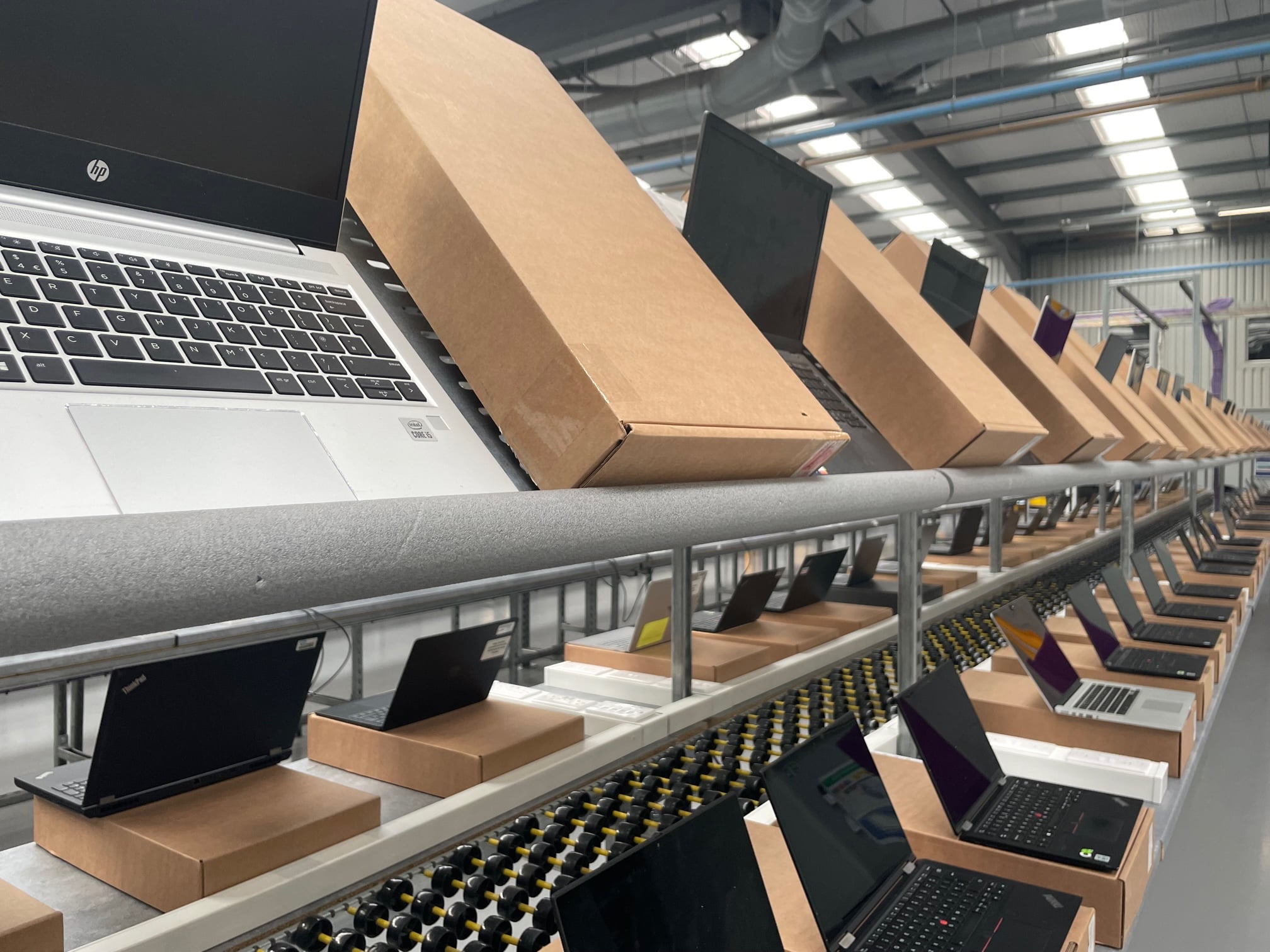
A processing line of laptops opened and standing on trays, being tested and prepared for reuse rather than recycling

Tier two in practice: kit arriving as "waste" on a collection note, going out again as working hardware.

How It Runs

Five steps, then it repeats.

The first four get you a baseline and a plan. The fifth is the one that matters, because a waste strategy that isn't measured after it goes live is just a document.

STEP 01

Survey

We review the site, the material, its owners and any handling, confidentiality or destination restrictions with the people who know it best.

STEP 02

Audit & baseline

We identify and quantify each stream using available records, establish its current route and cost, and flag any gaps that need further assessment.

STEP 03

Review & plan

Each option is tested against the hierarchy and material-specific controls. You get a costed recommendation with the reasoning and approvals it requires.

STEP 04

Mobilise & run

We confirm the authorised route for each material, plan custody and logistics, then manage collection and processing against the agreed controls.

STEP 05

Report & re-audit

Movement and final disposition evidence are reconciled against the plan, with stream and destination reporting where relevant. We revisit routes as the estate changes.

Sites change, contracts renew and the estate turns over, so the baseline goes stale. Most clients re-audit annually; sites going through a fit-out, a merger or a move are worth looking at again as soon as the dust settles.

End to End

We don't hand you
a report and leave.

The consultation leads into delivery. GreensafeIT manages the work from assessment and route design through collection, processing and final evidence, using the appropriate authorised people and facilities for each material. Sensitive streams are planned individually rather than pushed through a standard waste route.

You have one accountable team coordinating the programme and its records, whether it is a single clearance or a rolling multi-site service.

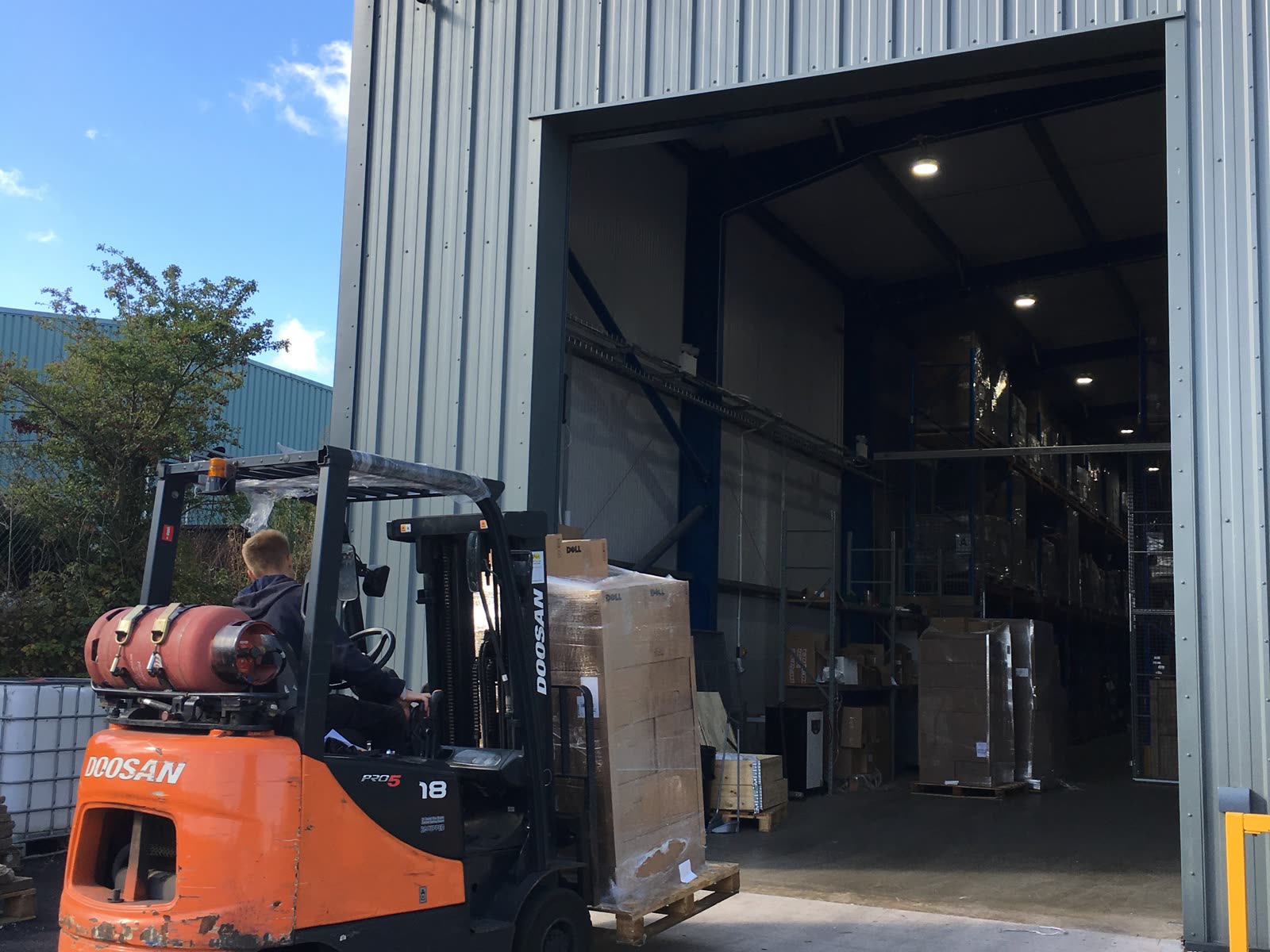
A forklift moving wrapped pallets in the Greensafe warehouse during a collection run
  • Containers, cages, totes and on-site equipment supplied and serviced
  • Collections scheduled and routed, including electric last-mile
  • Loose loads, palletised freight and full site clearances
  • Secure handling and appropriate facilities for sensitive and data-bearing streams
  • Out-of-hours, weekend and phased working where a site can't stop
  • Interim storage where the material and agreed route permit it
  • Chain of custody documented from collection to final disposition
Scale

One project, or one estate.

The method doesn't change — look, measure, review, route, prove. What changes is how much planning sits in front of it and how long the reporting runs for.

One-off

A clearance with a date on it

A site clearance, a surplus holding or a time-bound project. We assess the material, agree the handling route and provide the records for its final outcome, without letting a deadline decide what could be reused.

Office Moves
Site or building

One address, ongoing

An ongoing arrangement for one site: suitable storage and collections, a review rhythm matched to the material, and reporting that shows which streams are moving up the hierarchy and which need attention.

ITAD & Data Destruction
Programme

An estate, under one contract

Multiple sites, mixed tenures and inherited contracts, run as a managed programme with a project manager, a mobilisation plan, consolidated logistics and one reporting line — the same way we run national hardware rollouts.

Programme Management
Evidence

The outcome, accounted for.

A handover is not the end of the story. We agree the evidence needed for each material, record custody and authorised destinations, and bring the movement and final disposition records together so you can explain what happened.

Duty of care

Waste transfer notes

For non-hazardous waste transfers, the required description, classification and transfer details are recorded and retained against the site.

Regulated streams

Consignment notes

For hazardous waste, consignment documentation records the movement and the parties authorised to handle it, as required by law.

Data-bearing

Erasure & destruction certificates

Data-bearing assets are tracked and certificated through the applicable ITAD process, with item-level evidence where required.

Weights

Weighbridge tickets

Where material is weighed, tickets link reported tonnage to the relevant movement rather than an unsupported estimate.

Destinations

Destination records

We record where each stream goes and the evidence of its final handling. Supporting route details are available as part of the engagement.

Reporting

Environmental reporting

Stream, destination and outcome reporting draws on available movement and treatment evidence, with the limits of the data made clear.

A route agreed for each material

We match the handling, security and evidence requirements to the material, then manage the work against that agreed plan. Detailed route and compliance evidence is shared during the engagement.

Accredited where it counts.

Our ITAD accreditations and controls support the streams to which they apply. Other materials are assessed against their own handling requirements, authorised routes and evidence standards.

ISO 27001ISO 14001ADISA 8.0BlanccoIEEE 2883:2022NPSA-assured facilitiesWEEE compliant
What's Included

From the walk round to the report.

On-site waste survey, single site or whole estate
Stream-by-stream baseline with volumes and costs
Review of existing contracts, carriers and destinations
Segregation design and on-site signage
Reuse, redistribution and remarketing routes with value back
Charity and community placement for suitable, approved equipment
Containers, cages and totes supplied and serviced
Collection scheduling, logistics and site clearances
Secure handling of data-bearing and confidential material
Duty-of-care and consignment documentation
Staff briefing so the segregation actually survives contact
Consolidated reporting by site, stream and documented outcome
Site decommissioning across borders. We have delivered site decommissioning projects in London, Iceland, Poland and New York. Each project is planned around its site's material mix, handling needs and local requirements.
Kidderminster · UK HQ Utrecht · EU Hub
Audit · Review · Route · Manage · Prove

Bring us the material challenge.

Tell us the broad material types, number of sites and outcome you need. On a discovery call, we can discuss sensitive details appropriately, identify any restrictions and agree the next step toward a practical, documented route.